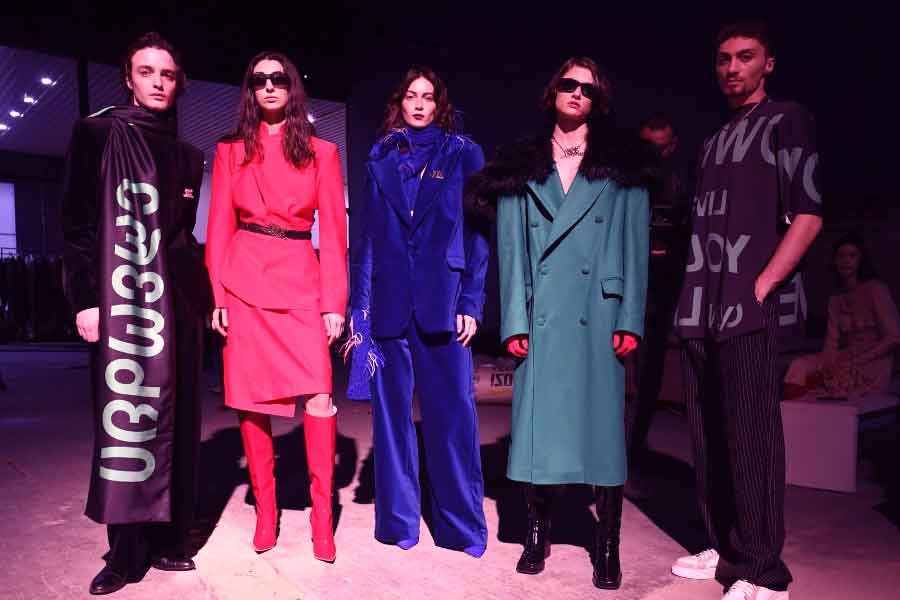
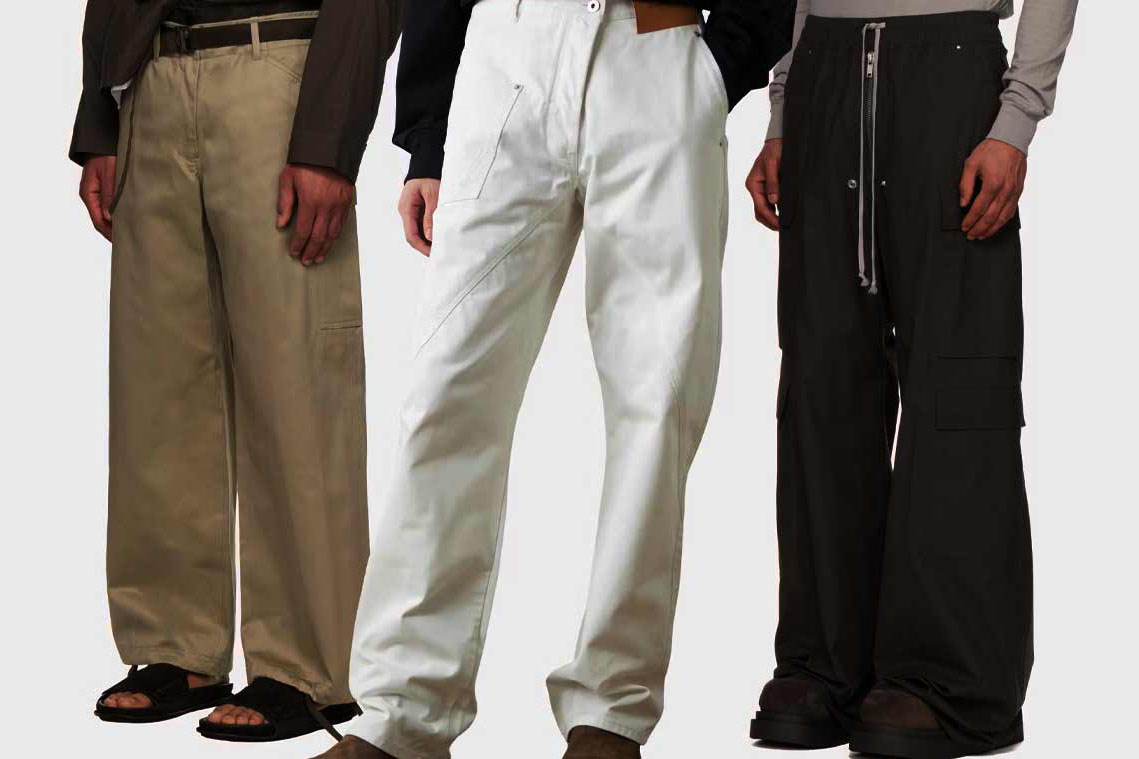
Georgian contemporary label Situationist has unveiled a new collaboration with niche performance footwear studio Field Supply, introducing a limited capsule that reinterprets utilitarian design through a regional cultural lens.
The project continues Situationist’s ongoing exploration of functional clothing systems adapted to modern urban environments.
The collaboration brings together Situationist’s conceptual tailoring language with Field Supply’s focus on durable construction and outdoor utility. The result is a hybrid footwear and apparel range that references workwear traditions while integrating subtle visual cues drawn from Georgian landscape and craft heritage.
At the center of the capsule are two reworked boot silhouettes based on functional rubber construction. The designs retain their protective structure but introduce modified proportions, softened contours, and surface treatments inspired by worn leather and weathered natural materials.
Rather than relying on literal references, the collection translates the idea of frontier dressing into an urban context. Western-inspired motifs are abstracted into construction details, such as reinforced seams, embossed textures, and layered paneling that suggest historical workwear without directly replicating it.
The footwear is produced in tonal variations of deep black and muted earth brown, emphasizing material presence over decorative contrast. Both models are offered in inclusive sizing and designed as unisex pieces, reflecting a shared approach to functional universality.
Alongside footwear, the collaboration introduces a small apparel selection including heavyweight cotton T-shirts, hooded sweatshirts, and accessory pieces such as caps and bandanas. Each item has been treated with a washed finish to create a softened, lived-in surface quality.
The garments feature co-branded graphic elements that merge Situationist’s minimalist visual identity with Field Supply’s utilitarian branding language. The result is a unified emblem system that reinforces the collaborative nature of the project without overpowering the garments themselves.
Designers behind the project describe the collaboration as an exchange of perspectives rather than a traditional co-branding exercise. The focus was placed on how different cultural readings of utility and durability can coexist within a single product language.
Material selection played a central role in development, with an emphasis on natural fibers, rubber compounds, and textured finishes that respond to wear over time. The intention was to create objects that evolve visually through use rather than remain static in appearance.
The capsule also explores the relationship between rural and urban dressing codes in Georgia, where functional garments often shift between agricultural, industrial, and city contexts. This fluidity informed both silhouette development and material treatment.
While rooted in local context, the collaboration positions itself within a broader global conversation around utilitarian fashion and the reinterpretation of heritage workwear. It avoids nostalgia in favor of structural reinterpretation and material experimentation.
Situationist continues to expand its collaborative practice as a way of testing new design languages outside of its main collections. Each project serves as a focused study in how external references can be integrated into its existing conceptual framework.
The Field Supply collaboration is set for a limited global release through both brands’ retail channels, reinforcing its positioning as a collectible capsule rather than a permanent product line.